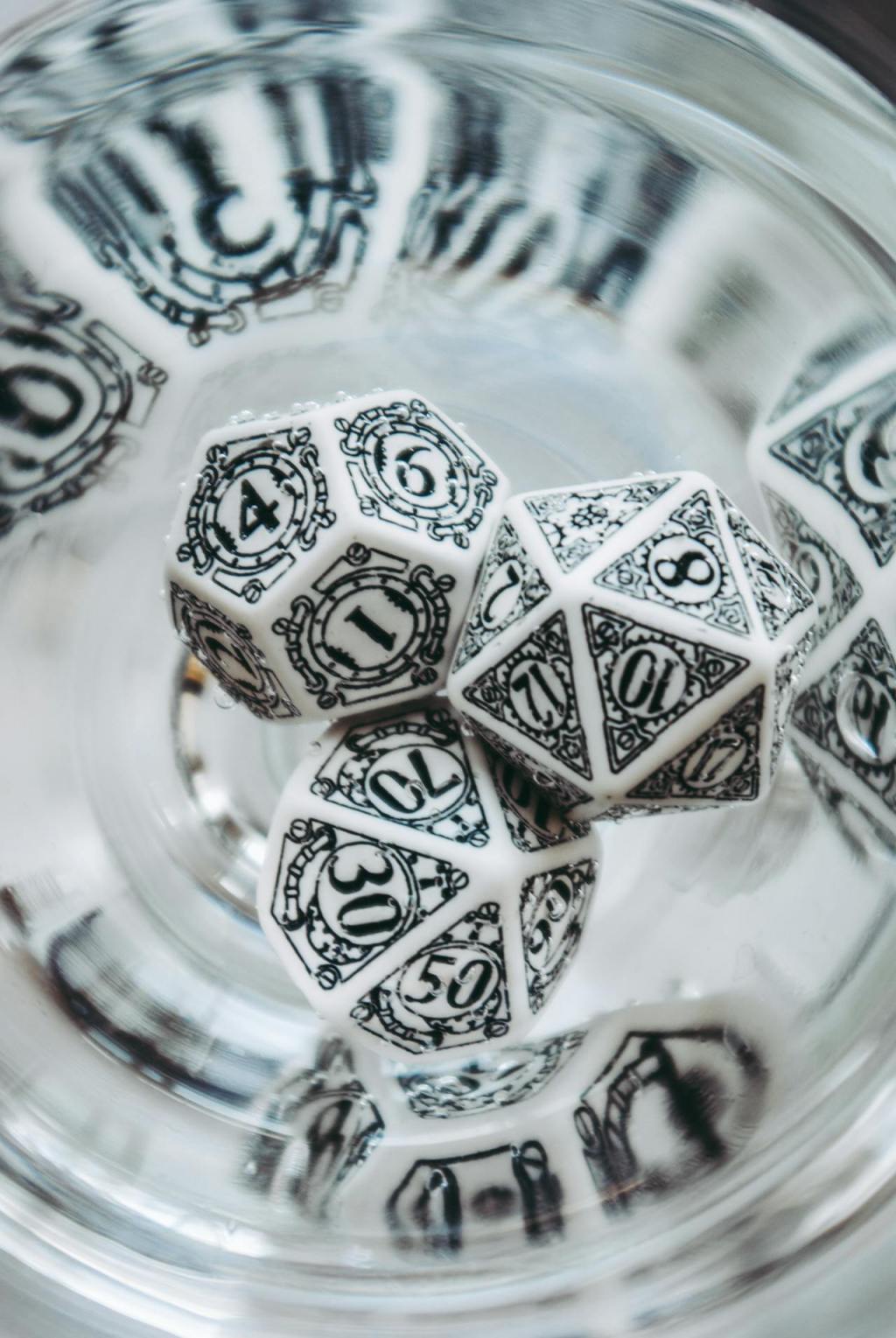
Welcome to the first post in our Mörk Borg series! I’ve been wanting to try Mörk Borg for some time. My primary experience as a Game Master previously has been in D&D 5e, and once running a one shot using Kids on Brooms. I had been talking with one friend for a while who was interested in playing in a Mörk Borg game, he had the physical edition of the book so was ready to go. At the same time I had another friend who I’ve GM’d a few 5e games with who was interested in getting back into TTRPGs, so my gift to them was dropping them into a Borg game.
In my previous one-shots and campaigns I have most recently been homebrewing my own content, but coming in being pretty unfamiliar with Mörk Borg I decided to run some of the pre-written modules on their site which they have a rules reference, character sheets, the core rule book, along with others and some community content all for free. I ended up running 3 of the modules from their site so far: Rotblack Sludge, Sepulchre of the Swamp Witch, and Graves Left Wanting.
To Borg or not to Borg
A quick overview of what differentiates Mörk Borg from 5e and similar TTRPGs. Mörk Borg can be described as “rules light”, the vast majority of all the user actions and interactions can fit into a single page document, the core rule book does go a bit deeper and provide some lore and optional rules as well. The lore of Mörk Borg is about a dying world where trying to fight against it is futile, there is no hope for a happy ending. The rules of the game fit the lore similarly, it is quite easy to have a character die due to a mishap of a single roll of the dice.
Most characters start with low hp, so an enemy getting a critical hit on them can be pretty damning early on. So having too much attachment to your character isn’t recommended, and going in thinking your character is going to have a happy ending is just setting yourself up for disappointment. There is a wonderful character generator scvmbirther that you can use to quickly generate a new character in a hurry. The high likelihood of a player character dying does have its benefits. Players can dive deep into their character’s motivations, consequences be damned—after all, rolling a new character takes only a few moments. This led to some darkly humorous moments, like one player fully embracing their character’s arrogance and charging headfirst at a giant worm that could easily swallow them whole. Miraculously, they survived. But as with all luck in Mörk Borg, it eventually ran dry just a couple of encounters later.
Another differing factor with Mörk Borg is that the players roll themselves to see if they are hit and if they hit during combat. The only thing the game master is likely to roll during combats is the enemies damage when they do hit. Determining if a player hits an a enemy is based on a players roll of the die, most encounters dictate that if a player beats a challenge rating of 12 (a d20 roll + their strength if it’s a melee attack or + their presence if it’s a ranged attack), that if they beat they roll damage. Similarly when an enemy is hitting them the player rolls a d20 plus their agility score to determine if they avoid the hit. This gives players a stronger sense of agency, as they’re responsible for most of the dice rolls, rather than the GM handling everything behind a screen.
Magic takes the form of powers and scrolls in Mörk Borg, where the amount of spells they can cast is determined by a presence roll per day rather than a set number of spell slots. In addition, the magic is a bit more dangerous as well as it is not guaranteed that a user will succeed in casting a spell. And if they fumble the roll (rolling a natural 1), there is a whole table of negative consequences. In one session, a player fumbled their spell early on, accidentally catapulting themselves a day into the future. The world of Mörk Borg moved one step closer doom, and the remaining player was left alone in the present timeline to deal with the aftermath. The stranded player quickly rolled a new character, and I leaned into this fumble to create a connecting thread between the episodic sessions. The unpredictableness of any dice roll really opens up Mörk Borg to some unique emergent story telling opportunities.
These mechanics, which can lead to highly chaotic sessions, really help Mörk Borg run best as episodic dungeon crawls vs a sprawling campaign.
Borg What is it Good for
I’ve found Mörk Borg excels at being a dungeon crawl vs a more free form game that a 5e typically can be. Instead of treating these sessions as part of a campaign where the end of one session leads right into the next, I’ve personally found more success treating each session as a new episode. Still sprinkling in some lore about an overall story, but keeping the focus on today’s session. For example, when starting the second session gave a quick overview of where they left off and where they were heading next and why. You can easily make the episodes link together based on the players actions to avoid them feeling too railroaded, for example for our third session I was planning for one of two options based on the players success or failure in the prior module. But in contrast to the 5e games I’ve ran where there could be multiple sessions in a row of role play heavy content, Mörk Borg worked best for me speed running most of that and dropping the players in the next dungeon. I did make sure to discuss with the players that this is what I’d be doing for this, and everyone was on board.
Prepping for Disaster
What I appreciated the most about trying Mörk Borg, was how quick and low cost it was to get a game up and running with my friends. We did play each of the sessions over Discord, so I was easily able to have all the Mörk Borg references and rules up on a screen for quick reference. The entire core rule book is available for free on the Mörk Borg site, it just doesn’t include any of the amazing artwork found in the physical copies of the book, and also quick reference guide for most of the core mechanics. With all this readily available the amount I needed to prep as a game master was pretty negligible. I was able to focus on planning the encounters and preparing the small bit of lore I was using to drive the session. One might consider it a downside, but with the “rules light” nature of Mörk Borg there are going to be a lot of times something comes up that isn’t directly covered by the rules, and have to figure out how to properly resolve it. Compared to 5e where you have 6 ability scores which translate to 18 or so skills, Mörk Borg you have 4 ability scores which cover all the actions: Agility (which covers a characters defensive ability and things like running away and swimming), Presence (which essentially combines the wisdom, charisma, and intelligence abilities you’d see in 5e), Strength (how hard you hit and how much you can lift), and Toughness (a characters resistances and what sets their HP).
The First Stop: Rotblack Sludge
The next post in this series will go into more detail with my experience running Rotblack Sludge a module that is often recommended to run first as it drops the players in fast, and has multiple encounters which help teach the fundamentals of Mörk Borg. It’s as straight forward of a dungeon crawl as it comes with hidden paths and a lot of danger around every corner, and some dancing skeletons enjoying the vibes of an unknown cavern. For a first module it was quick to pick up, and it had everything needed for it all put together, such as random encounter tables, and noting when it is best to roll on them. Expect lots of character deaths, hidden passage ways, and a weird old man.



 Roll and Tale
Leave a comment